
Why Toothbrushing Felt Impossible in Our House
By Suchi D
Toothbrushing was one of those daily routines I quietly stopped fighting.
Not because it didn’t matter, but because everything else already felt like a full day before we even left the house. With a neurodivergent child and sensory sensitivities in the mix, even simple routines can take a lot more energy.
Getting two kids ready, navigating transitions, avoiding meltdowns… brushing teeth kept slipping.
And the truth is, it never felt urgent. No one calls you from school because your child didn’t brush that morning.
So it became one of those “we’ll fix it later” things.
Until one night at bedtime, my child leaned in for a kiss and I realized just how much we had let it go.
That moment stuck with me.
Why Brushing Teeth Is Harder for Neurodivergent Kids
What I didn’t fully understand at first is how many challenges brushing brings together at once.
For kids with sensory sensitivities, toothbrushing can involve:
- Unfamiliar textures
- Timing and transitions
- Coordination and technique
- Discomfort or unpredictability
It’s not just “brushing teeth.” It’s a layered experience that can feel overwhelming.
And by the end of the day, it can easily turn into a battle no one has energy for.
What Finally Helped Us Move Forward
What helped wasn’t more reminders or better instructions.
It was removing as much of the “thinking” from brushing as possible.
We needed something that:
- Reduced the need for technique
- Made the routine consistent every time
- Felt more predictable
That shift made brushing feel less like a task to manage and more like something that could happen without constant intervention.
How Willo Helped Make Brushing More Consistent
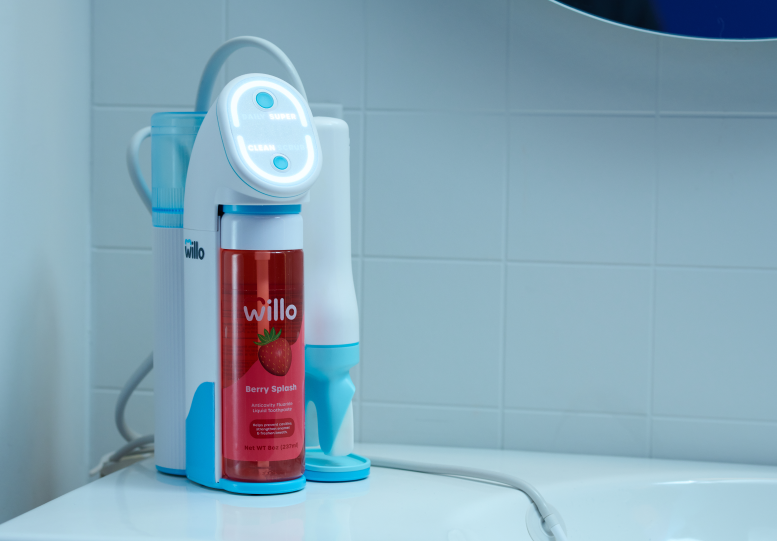
For our family, that’s where Willo came in.
Instead of coaching every step, brushing became something my child could do more independently. The routine felt the same each time, which made it easier to accept and stick with.
Over time, it stopped being a daily struggle and started becoming part of the routine.
And something I didn’t expect was how proud my child felt being able to do it on their own.
If You’re Struggling With Toothbrushing, You’re Not Alone
If toothbrushing feels harder than it “should,” there’s usually a reason.
For many families, especially those with neurodivergent children, it’s not about discipline. It’s about finding an approach that works with your child, not against them.
Sometimes, small shifts in how a routine is structured can make a big difference.
Looking for a more supportive way to brush?
AutoFlo+ is designed to make brushing easier, more consistent, and less dependent on technique, with brushing, toothpaste, and rinsing all built into one supportive routine.
Shop AutoFlo+

