
Clinical Studies and Case-Based Evidence
What the Science Says:
-

Plaque is a leading cause of tooth decay and gum disease, making effective and consistent plaque removal essential to oral health. But brushing well requires the right technique, coverage, and duration and those skills can be challenging for children and for individuals who need additional support with brushing.
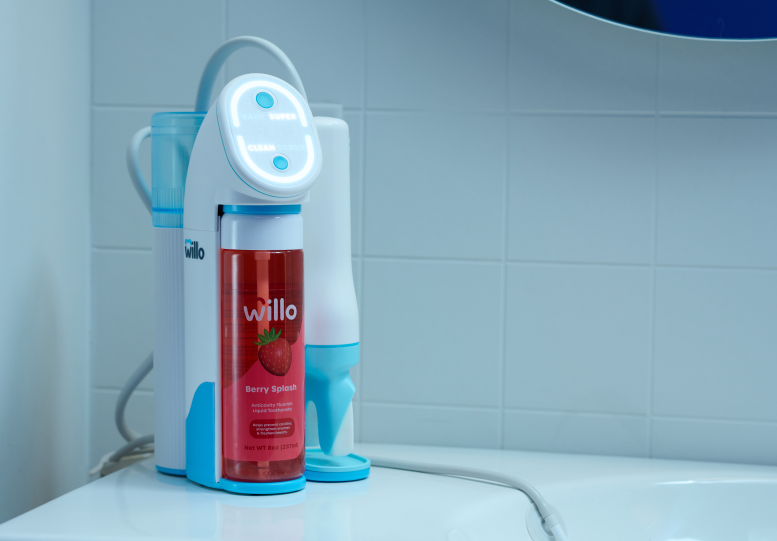
Willo is designed to reduce those variables by automating the brushing technique and providing consistent coverage, helping take the guesswork out of getting a thorough clean.Explore the research behind Willo below.

Clinical Study · Plaque Removal
-

Evaluating Willo's Plaque Removal Performance
Download StudyA rigorous clinical study tested Willo against a top-rated manual toothbrush approved by the American Dental Association. The results were clear: kids aged 5 to 13 who used Willo had significantly less plaque after just one brushing session.
On average, Willo removed 60% of plaque, compared to only 20–25% with a manual brush. It was especially effective in hard-to-reach spots — like the back of the mouth — removing up to 7 times more plaque than the manual toothbrush.

Ongoing Study · Neurodivergent Oral Care
-

Exploring Independence and Consistency in Neurodivergent Brushing
A 6-week pilot study led by Sophie Steele, BCBA, IBA explored the use of Willo AutoFlo+ among seven neurodivergent individuals ages 8–25. Within 7–10 days, participants showed early improvements in independence and cooperation, and by the end of the study, all seven were brushing for two minutes at least once daily. Six of seven caregivers also reported confidence that Willo was effectively cleaning their child’s teeth. The findings suggest that reducing the motor, sequencing, and technique demands of brushing may help support more consistent and independent oral-care routines for some neurodivergent individuals.

Pilot Study · Plaque Removal
-

Evaluating Plaque Removal Before and After Brushing with Willo
An 8-participant pilot study led by Simon Lin, DDS, a pediatric dentist in Seattle, Washington, evaluated plaque levels before and after brushing with Willo. Before-and-after results demonstrated Willo’s ability to remove visible plaque across participants, providing real-world evidence of its cleaning performance.

Real-World Data · Brushing Duration
-

Kids Complete the Full 2-Minute Brushing Routine 87% of the Time
Analysis of Willo app usage data shows that 87% of recorded brushing sessions reach the full two-minute brushing duration. The data provides real-world insight into how Willo is used at home and suggests that its automated, guided brushing routine can help children consistently brush for the recommended duration.
