
Rethinking Patient Compliance: Moving Beyond One Size Fits All Oral Hygiene

Most hygienists are familiar with this scenario: a patient returns for a recare visit, and the clinical findings look very similar to the previous appointment. There is persistent inflammation, bleeding on probing, and plaque accumulation in the same areas that were discussed before.
You know you had the conversation. You showed them. You explained it clearly, and still, nothing changes. At some point, we have to ask a better question. Not, “Why isn’t this patient doing what I told them?” but, “Why isn’t what I recommended working for this patient?” That shift moves us out of frustration and into problem solving.
The problem isn’t always compliance. It’s fit.
We’ve been trained to give oral hygiene instructions as if they apply universally. Brush twice a day. Angle toward the gumline. Floss daily. Clinically, those recommendations are correct. But they are not always usable. Effective plaque removal requires consistency, coordination, time, and attention to detail. Even when patients brush daily, plaque removal is often incomplete, especially along the gingival margin.1 When a patient returns with inflammation, it doesn’t necessarily mean they didn’t try. It often means the method didn’t fit their reality.
One size fits all advice creates predictable outcomes
If we give the same instructions to every patient, we should expect the same results. For many, that result is partial plaque removal and persistent inflammation.
Think about the patients in your chair:
- The parent managing bedtime chaos
- The orthodontic patient navigating brackets
- The child who resists brushing
- The patient with sensory sensitivities
- The older adult with reduced dexterity
These are not exceptions. This is everyday practice, and yet, we often respond with more instruction instead of a different approach.
Meeting patients where they actually are
When home care isn’t improving, the opportunity is not to repeat ourselves. It’s to get curious.
What is this patient actually able to do consistently?
What is getting in their way?
Where are they struggling?
This is where hygienists move beyond education and into individualized care.
What this sounds like chairside:
Instead of: “You need to brush better along your gumline.”
Try: “I’m seeing plaque staying in this area, which is very common. Walk me through what brushing looks like at home so we can adjust it.”
Instead of: “You need to be more consistent.”
Try: “Most people struggle to get every surface clean every time. Let’s find a way to make this more doable for you.”
Instead of assuming noncompliance:
“I don’t think this is about effort. I think we need something that works better for you.”
This approach builds trust and opens the door to real change.
Expanding the solution set
If we want different clinical outcomes, we have to offer different solutions. That may mean modifying technique, simplifying routines, or introducing tools that reduce the level of precision required for effective brushing. Powered toothbrushes have been shown to reduce plaque and gingivitis more effectively than manual brushing.2 However, patients still need to guide the brush thoroughly across all surfaces, and that remains a challenge for many. This is where newer approaches can support what we’re trying to achieve clinically.
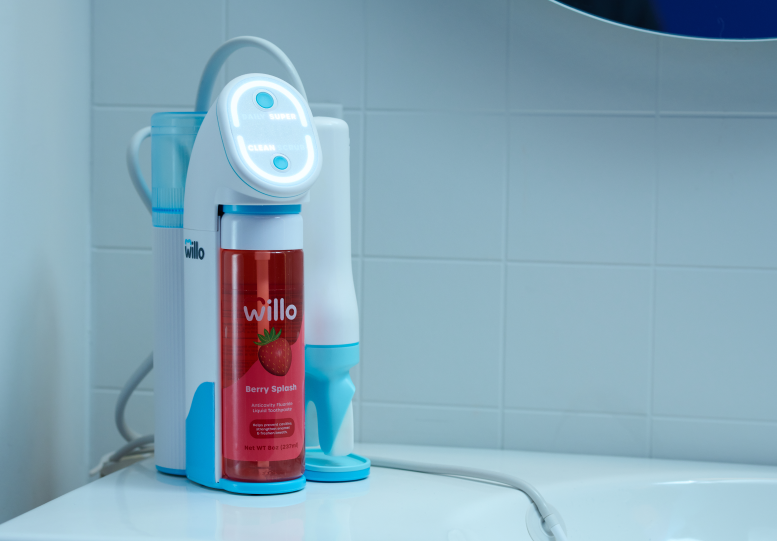
The Willo toothbrush offers an alternative by removing much of the technique sensitivity from brushing. Instead of relying on the user to move the brush over each surface, it is designed to clean all tooth surfaces simultaneously.
From a clinical perspective, this may improve consistency for patients who:
- Miss the same areas repeatedly
- Rush through brushing
- Struggle with coordination
- Resist traditional routines
This is not about replacing education. It’s about matching the solution to the patient.
How to position this with patients:
“Many patients have a hard time getting consistent coverage with brushing. There are options that can make that easier and more effective.”
For parents:
“If brushing feels like a struggle at home, you’re not alone. Sometimes, it’s not about trying harder, it’s about making it easier to do consistently.”
For orthodontic patients:
“With appliances, plaque builds up more easily. We want something that helps you clean more evenly to protect your enamel.”
These conversations keep the focus on outcomes, not effort.
Why this matters clinically
Plaque that remains at the gingival margin leads to inflammation, bleeding, and increased risk for caries and periodontal disease.1 Chronic oral inflammation is also associated with systemic health concerns, reinforcing the importance of effective daily plaque removal.3 When patients are given recommendations they can realistically follow, we begin to see measurable change:
- Reduced inflammation
- Improved tissue response
- More stable recare visits
Not because we told them more, but because we gave them something that worked.
The role of the hygienist is evolving
We are not just educators. We are identifying patterns, recognizing barriers, and helping patients succeed outside of the operatory. That means recognizing when standard recommendations are not enough and being willing to adjust. There is no single “right” way to brush for every patient. There is only what works consistently and effectively for the individual in front of us.
The takeaway
If patients continue to return with the same patterns, it is not a signal to repeat the same instructions. It is an opportunity to expand the approach.
Better outcomes come from:
- Understanding the patient
- Identifying the barrier
- Offering solutions that fit their daily life
When oral hygiene becomes more achievable, prevention becomes more predictable, and that is where the real impact of hygiene happens.
References
1. Van Der Weijden, F. and Slot, D.E. (2011), Oral hygiene in the prevention of periodontal diseases: the evidence. Periodontology 2000, 55: 104-123. https://doi.org/10.1111/j.1600-0757.2009.00337.x
2. Yaacob M, Worthington HV, Deacon SA, Deery C, Walmsley AD, Robinson PG, Glenny A-M. Powered versus manual toothbrushing for oral health. Cochrane Database of Systematic Reviews 2014, Issue 6. Art. No.: CD002281. DOI: 10.1002/14651858.CD002281.pub3.
3. Tonetti, M.S., Van Dyke, T.E. and on behalf of working group 1 of the joint EFP/AAP workshop* (2013), Periodontitis and atherosclerotic cardiovascular disease: consensus report of the Joint EFP/AAPWorkshop on Periodontitis and Systemic Diseases. Journal of Periodontology, 84: S24-S29. https://doi.org/10.1902/jop.2013.1340019
About the Author

Meghan Greco, RDH, OMT
Founder, The Thriving Practice Coach
Meg is a dental coach, speaker, and COO with over 20 years of experience in clinical hygiene, leadership, and practice operations. As the founder of The Thriving Practice Coach and The Breathing Room Myofunctional Therapy, she helps dentists and hygiene teams improve patient outcomes by building prevention focused practices that are both sustainable and profitable. Meg is passionate about supporting hygienists in delivering more effective, individualized care that translates beyond the operatory.


