
The Breakthrough | When the Right Tool Meets the Right Groundwork

The Breakthrough: When the Right Tool Meets the Right Groundwork
Previously in this series: We met a teenager with autism and a long history of oral aversion, tracing the years of graded exposure and happy visits that built his tolerance for care. This issue covers the turning point when long-term behavioral groundwork finally met the right adaptive tool.
The Gap Between Foundation and Results
A foundation is not the same as a result. For years, brushing remained the weak link. The patient would accept a toothbrush, including a powered one, and move it around his mouth briefly before declaring himself finished. The teeth were never truly cleaned.
At well checkups, the hygienist would have to scrape away the accumulated plaque, and that was the pattern for a long time.
The Turning Point: Built on Trust
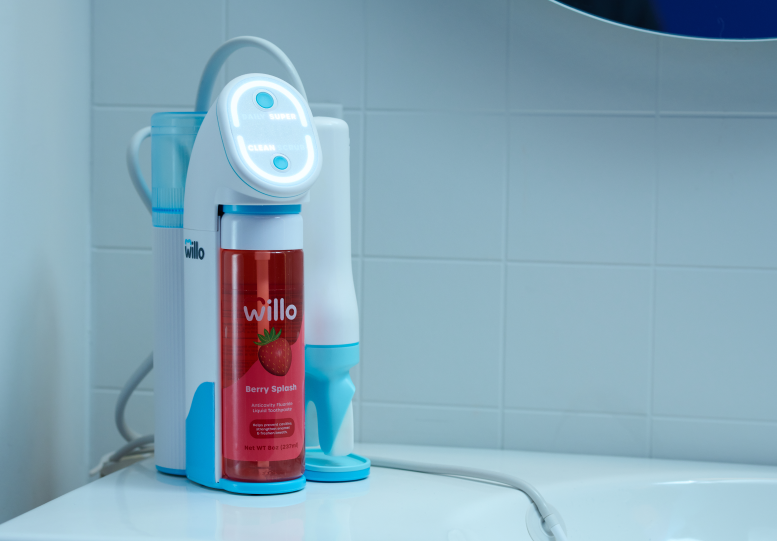
The turning point arrived as a simple suggestion. The hygienist handed the family the Willo BrushBot and told them to try it. The mother agreed without hesitation, and her reason matters: she trusted her clinician completely.
That trust, built over years of happy visits, is what allowed a new recommendation to land.
"I trust her. If you tell me to try something, I am going to try it." — A caregiver in the relationship that opened the door to change
Matching the Tool to the Sensory Profile
She took the BrushBot home and prepared carefully. She watched a demonstration video, then offered her son a choice of flavors: mint or bubble gum. He chose mint and loaded the tray himself.
The features matched the sensory profile he had spent a decade learning to tolerate:
- Foam Delivery: Felt distinct and gentler compared to traditional toothpaste.
- Built-In Timer: Gave a clear, predictable signal when the cycle was complete.
- Familiar Sensation: A single button started a steady, quiet vibration that read to him as a familiar feeling—resembling his chairside cleanings rather than an unwelcome new sensation.
- Approachable Design: According to his mother, the device almost looked like a toy.
The change in behavior was immediate and durable. Where the mother once had to prompt and prompt again, her son now goes into the bathroom on his own, brushes, and comes out finished. He is more independent, and his teeth, in her assessment, look amazing. The right tool, matched to the right groundwork, made years of behavioral work visible in clean teeth.
A Coda Worth Carrying
At fifteen, the same young man asked to have his feeding tube removed. He committed to feeding therapy, had a closure surgery in the autumn, and has now been eating by mouth for a year.
His mother connects these threads directly. Learning that his mouth could be a site of positive, predictable experience did not stay confined to brushing. The dental chair had helped teach a larger lesson about what his body could tolerate and even enjoy.
💡 Clinical Takeaways
- Trust is the active ingredient: A recommendation lands on the strength of the relationship behind it.
- Build in genuine choice: Letting the patient choose—even a flavor—converts a procedure into active participation.
- Prioritize individual tolerances: Match the tool to the individual patient’s specific sensitivities rather than general product features.
- An adaptive resolution: An adaptive product works best as the resolution to behavioral groundwork rather than as a substitute for it.
Next Issue · Issue 3 of 3
Another chapter of the same journey: an orthodontic challenge that nearly stalled, and a clinician who refused to turn a frightened child away. In the finale, we step back to adaptive willingness and the central, often unsung role of the dental hygienist.


