
Starting Something New Can Feel Overwhelming
If you’re introducing a new brushing routine, especially for a child with sensory sensitivities, it’s normal to have questions.
- Will they tolerate it?
- Will it feel unfamiliar?
- Will it become another struggle?
The goal isn’t perfection on day one.
It’s comfort, familiarity, and small wins.
Why Willo Works for Many Neurodivergent Kids
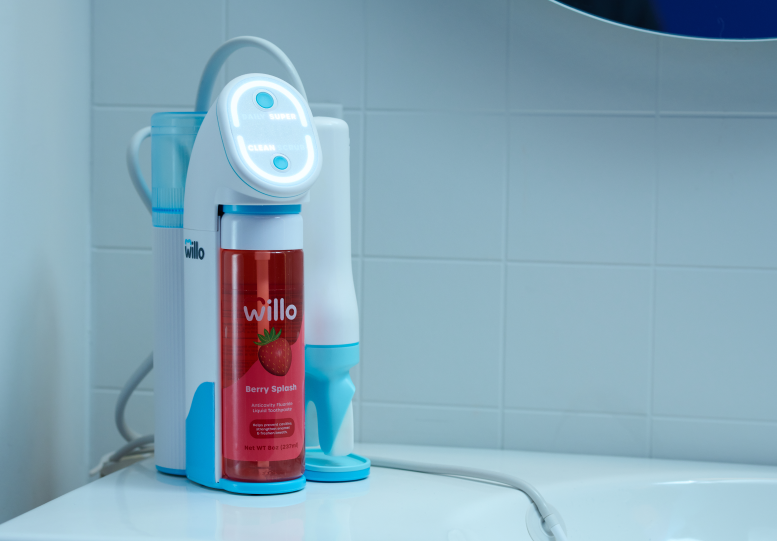
Willo is designed to reduce the complexity of brushing.
Instead of managing multiple steps, it creates a consistent, guided routine:
- Automatic toothpaste dispensing
- Gentle back-and-forth brushing motion (no harsh vibration)
- Built-in timing and prompts
- No need for spitting or rinsing
This combination helps reduce:
- Cognitive load
- Sensory unpredictability
- Reliance on caregiver prompting
Key idea: Predictability + automation = less resistance.
Step-by-Step: How to Introduce Willo
Step 1: Start With Familiarity
Let your child:
- See the device
- Hold it
- Explore it without turning it on
This builds comfort before introducing the full experience.
Step 2: Introduce Without Activation
Place the brush in their mouth briefly with the device off.
Focus on:
- Comfort
- Positioning
- Low pressure
Step 3: Short, Low-Pressure Sessions
Turn the device on for just 5–10 seconds at first.
Gradually increase time as comfort builds.
Even very short sessions help build tolerance.
Step 4: Build Toward the Full Routine
Work toward:
- 1 minute per side
- Consistent daily use
Start with once per day if needed. Consistency matters more than frequency at first.
What If There’s Taste Sensitivity?
Taste sensitivity is common.
Try:
- Starting with just water
- Introducing toothpaste gradually
- Using very small amounts
- Letting your child choose the flavor
The goal is to separate texture comfort from taste introduction.
What If They Resist Something in Their Mouth?
This is also very common.
Use a phased approach:
- Look at the device
- Touch it
- Turn it on outside the mouth
- Brief contact with lips
- Gradual introduction
Progress happens through exposure, not pressure.
What Caregivers Can Expect
Getting started typically takes:
- 30–45 seconds to set up
- A few days of gradual onboarding
In many cases, once the routine is established:
- Fewer reminders are needed
- Independence increases
- Resistance decreases
Short-Term Wins and Long-Term Benefits
Early on, most families notice:
- Less friction
- Easier routines
- Improved consistency
Over time:
- Better oral health
- More positive dental visits
- Stronger independent habits
A Small Shift That Adds Up
Toothbrushing may seem small, but it’s something that happens every day.
When the process becomes easier, the impact builds over time.
Start where you are.
Go at your child’s pace.
Focus on consistency over perfection.
Ready to Get Started?
Willo AutoFlo+ is designed to support a more predictable, lower-stress brushing routine.
For many families, that’s the difference between a daily struggle and a routine that finally sticks.
Start with a routine that works
AutoFlo+ helps simplify brushing with a consistent, guided system designed for kids who need a more supportive approach.
Shop AutoFlo+

