
The Hidden Cost of Your Kid's Current Toothbrush
The real cost of kids' brushing
The Hidden Cost of Your Kid's Current Toothbrush
A cheaper toothbrush can save money at checkout. But what about the time, reminders, uncertainty and missed spots that come with relying on kids to get brushing right?
The toothbrush you already own might cost less. But that doesn't mean it's costing you less.
The price of a toothbrush is easy to see. The rest of what goes into your child's brushing routine is harder to calculate.
There's the time spent reminding and checking. The younger kids who still need help. The older kids who can brush on their own, but may rush or miss spots. And the nagging question underneath all of it: are their teeth actually getting clean?
When you repeat that routine hundreds of times a year, the toothbrush itself starts to look like only one part of the cost.
About how much time the ADA estimates a person spends each year brushing and cleaning between their teeth.
Around the age children typically master independent brushing, according to guidance from the American Academy of Pediatrics.
About how many brushing sessions happen in a year when kids brush twice a day.
Cost #1
The clean still depends on them getting it right
Traditional manual and electric toothbrushes can clean teeth well. But they still rely heavily on the person holding the brush to use it correctly and consistently.
So every rushed morning, tired bedtime and distracted brush still depends on your child doing the brushing well.
Younger kids may still be developing the skills to maneuver a toothbrush thoroughly. Older kids may know exactly what they're supposed to do and still rush, stop early or miss areas.
Knowing how to brush and doing it right every single time are two different things.
Cost #2
You don't always know how well brushing is going
Once kids start brushing independently, parents usually know whether brushing happened.
Knowing how well it happened is much harder.
Did they get the back teeth?
Did they rush because they were running late?
Did they miss the same spot again?
Did two minutes turn into 45 seconds tonight?
Most of the time, you do the routine and hope their teeth are getting clean. Then you sit down at the dentist and find out how things have actually been going.
You can't put an exact dollar amount on that uncertainty. But that doesn't mean it costs nothing.
Cost #3
The time you spend managing the routine
Brushing happens twice a day. That's roughly 730 brushing sessions every year.
Depending on your child's age, some of those sessions may still mean reminding, checking, supervising or stepping in yourself.
Did you brush?
Go back and brush longer.
You forgot tonight.
Let me help you get the spots you missed.
That's time, attention and friction that never appear on the price tag of the toothbrush.
Cost #4
Missed plaque can become a bigger problem
The goal of brushing isn't simply completing the routine. It's removing plaque effectively.
When plaque is repeatedly left behind, the consequences can eventually mean more than another reminder at the sink.
Cavities and other oral health problems can mean additional dental care, more appointments and more stress for families.
No toothbrush can guarantee that a child will never get a cavity. Diet, fluoride exposure, individual cavity risk and other factors matter too. But consistent plaque removal is an important part of protecting children's oral health.
A different way to think about brushing
What if the toothbrush did more of the work?
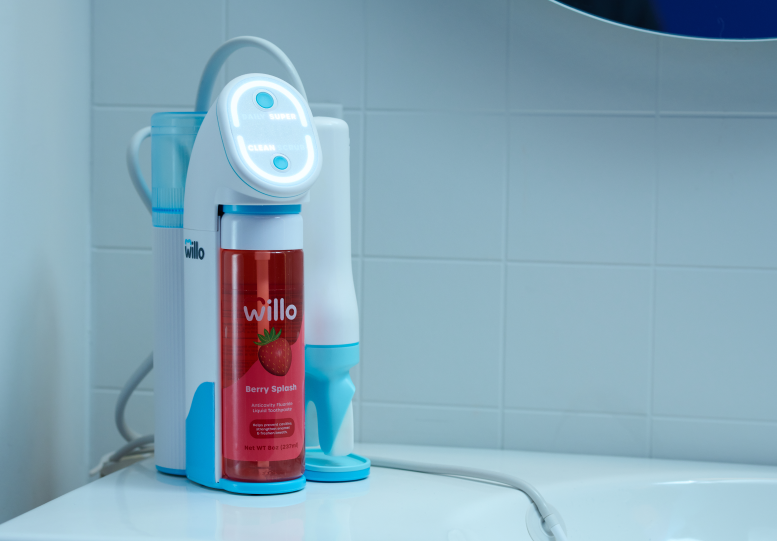
BrushBot was built around a simple idea: your child's clean shouldn't depend so heavily on how well they happen to brush that day.
BrushBot powers the brushing motion, reducing how much the clean relies on traditional brushing technique.
That means a more consistent way for kids to brush, whether it's a focused morning or a rushed, tired night.
Clinically proven
Removes up to 7x more plaque than manual brushing in hard-to-reach areas.
So when you're comparing BrushBot with the toothbrush already sitting on your child's counter, you're not just comparing two toothbrush prices.
You're comparing two different brushing routines.
So what is your current toothbrush really costing you?
The wondering. The reminders. The missed spots. The times you still have to step in. The uncertainty about how well they're actually brushing.
The toothbrush you already own might cost less.
But that doesn't mean it's costing you less.
Frequently Asked Questions
Can kids know how to brush and still miss spots?
Yes. Knowing the steps of brushing doesn't mean a child performs them consistently every time. Kids may rush, get distracted, stop early or miss areas even when they understand how they're supposed to brush.
How do I know if my child is brushing well?
Knowing that brushing happened doesn't necessarily tell you how effectively teeth were cleaned. Parents can observe brushing, occasionally use a plaque-disclosing product to identify missed areas, and ask their child's dental professional about brushing effectiveness.
How is BrushBot different from a regular electric toothbrush?
Traditional manual and electric toothbrushes still rely on the child to move the brush around the mouth correctly. BrushBot powers the brushing motion, reducing how much the clean depends on the child's brushing technique.
Is BrushBot clinically tested?
Yes. BrushBot is clinically proven to remove up to 7x more plaque than manual brushing in hard-to-reach areas.


