
The Real Reason Kids Resist Brushing (And What Actually Helps)

If brushing your child’s teeth feels like a daily struggle, it is easy to assume it comes down to habits, discipline, or not wanting to listen.
But for many kids, the real issue is simpler: brushing is a long-term habit with no short-term reward.
Kids live in the moment. Parents think about the long game. We think about healthy teeth, happy smiles, fewer dental issues, and building habits that last. Kids are thinking about what they want to do right now.
That gap is where a lot of brushing struggles begin.
Quick Answer: Why do kids resist brushing their teeth?
Many kids resist brushing because the benefit feels far away, while the task feels immediate. Brushing takes patience, cooperation, and consistency, and most kids are not naturally motivated by long-term health outcomes. Parents care about preventing cavities and protecting their child’s smile over time. Kids usually care about getting back to playing, avoiding interruption, and moving on with their day.
Why brushing feels hard for kids
From a child’s perspective, brushing does not offer much in the moment. There is no instant payoff. No obvious result. No immediate reward that makes the effort feel worth it today.
What they do notice is this:
- They have to stop doing something they would rather keep doing
- They are being asked to complete a task that requires focus and follow-through
- The reason it matters does not feel real to them yet
That is why brushing resistance is so common. It is not always defiance. Often, it is just a mismatch between what parents care about and what kids are developmentally motivated by.
The long game matters more to parents than kids
Parents are not thinking about tonight’s brushing session in isolation. We are thinking about what happens over months and years. We are thinking about oral health, dental visits, routines, confidence, and the kind of smile our kids will grow up with.
That is the long game.
Kids usually do not have the same perspective yet. They are not brushing because they are excited about preventing future plaque buildup or avoiding cavities down the road. They are being asked to do something that feels inconvenient now for a reward they cannot really see.
Once you understand that, the struggle makes more sense.
It is not just about motivation
Even when kids are willing, brushing well is not always easy. Getting a thorough clean with a regular toothbrush takes consistency and technique. It is easy to rush. It is easy to miss spots. It is easy for brushing to become one more thing parents have to supervise closely.
So the question is not only how to get your kid to brush their teeth.
The better question is how to make sure their teeth are actually getting clean while they are still growing into the skill of brushing well on their own.
What parents actually need
Most parents are not looking for a more complicated brushing routine. They are looking for something that works.
They want:
- A consistent clean
- Less stress around brushing time
- Less hovering and reminding
- More confidence that it is being done right
That is why it helps to shift the goal.
The goal is not perfect brushing technique from a child who is still developing that skill. The goal is healthy teeth.
Choose your battles
Parenting already comes with enough friction. There are enough things to remind, manage, repeat, and negotiate.
Brushing does not need to be one of them.
If it has become a daily fight in your house, that does not mean you are doing anything wrong. It may just mean you are expecting a long-term mindset from a child who is not there yet.
Choosing your battles does not mean lowering your standards. It means finding a better way to reach the outcome that matters.
What actually helps with brushing struggles
For many families, the biggest improvement comes from reducing how much brushing depends on a child doing everything correctly every single time.
That is where a more supportive solution can make a real difference.
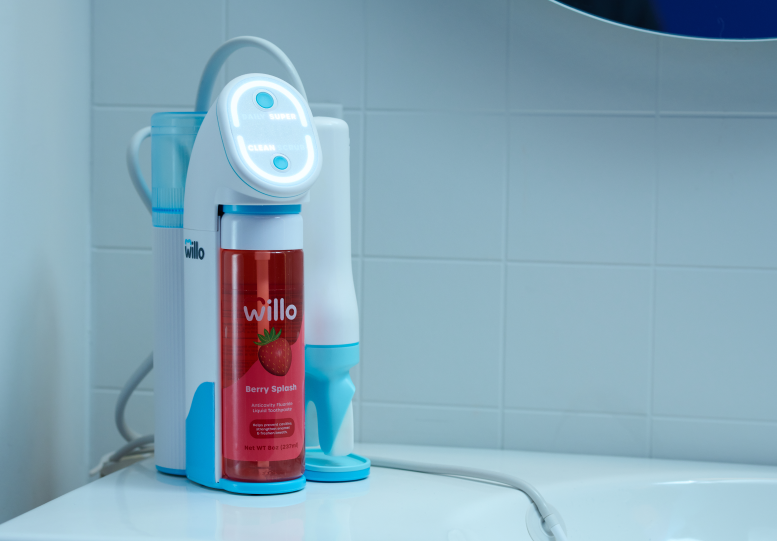
Willo is designed to make brushing more consistent and less stressful by helping families rely less on perfect technique and constant supervision.
Instead of making brushing one more battle, it gives parents a way to stay focused on the outcome that matters most: clean, healthy teeth.
Find the right Willo for your family
If you are looking for a simpler way to make brushing more consistent, compare Willo models to see which one best fits your child’s needs and routine.
Final thoughts
Brushing is a long game. Kids do not always have the motivation to care about that yet. Parents do.
That does not make anyone wrong. It just means the challenge is real.
If your child resists brushing, the answer is not always more pressure. Sometimes the better answer is making brushing easier, more consistent, and less dependent on skills kids are still growing into.
Healthy teeth and a happy smile are the long game. Brushing does not need to be a daily battle to get there.
FAQ: Why kids resist brushing and what helps
Why do kids hate brushing their teeth?
Many kids dislike brushing because it interrupts what they want to do in the moment and does not offer an immediate reward. The benefits are long-term, which makes brushing harder for kids to care about consistently.
Why is brushing teeth such a battle with my child?
Brushing can become a battle when parents are focused on long-term health and kids are focused on what feels important right now. Add in the need for consistency and technique, and it is easy for tension to build.
How can I get my kid to brush their teeth without a fight?
It helps to reduce how much brushing depends on reminders, perfect cooperation, and perfect technique. The simpler and more consistent the routine feels, the less likely it is to become a daily struggle.
Do kids eventually learn to brush better?
Yes. Brushing well is something kids grow into over time. The challenge for parents is making sure teeth are getting clean consistently in the meantime.
What matters most when brushing is a struggle?
The most important outcome is making sure your child’s teeth are getting a thorough, consistent clean. That is what supports long-term oral health, even while good habits are still developing.


