
Beyond the Candy Bowl: Halloween, Sugar Bugs, and the Science of Cavity Prevention

How dental professionals can turn Halloween into an opportunity to educate families about sugar, tooth decay, and healthier brushing habits.
As porch lights flicker on and pillowcases fill with treats, Halloween offers dental professionals a valuable opportunity: a season when families are already thinking about sugar and are more receptive to conversations about protecting their children's teeth.
Behind the costumes, jack-o'-lanterns, and candy corn lies a teachable moment. It's a chance to translate the science of tooth decay into language children can understand and practical habits parents can reinforce at home.
And sometimes, the best place to begin is with a familiar childhood concept: sugar bugs.
What Are Sugar Bugs? Understanding the Science Behind Cavities
The term "sugar bugs" may sound whimsical, but the science behind it is very real.
Bacteria within dental biofilm, including Streptococcus mutans, metabolize fermentable carbohydrates and produce acids. These acids lower the pH at the tooth surface, creating conditions in which enamel loses minerals faster than they can be replenished.
When repeated acid exposure outweighs the mouth's natural repair processes, early demineralization can progress to dental caries.
For a young child, however, this process can be difficult to visualize.
That's where sugar bugs come in.
When we explain that "sugar bugs eat the sugar on your teeth and leave behind acids that can make holes," we're giving children a memorable way to understand the relationship between sugar, bacteria, and cavities.
It's a simple explanation grounded in science, and one that helps make an invisible process easier to understand.
Halloween Candy and Cavities: Why Timing Matters
One of the most important messages dental professionals can share with families is that how often children eat sugar matters, not just how much they consume.
Every exposure to fermentable carbohydrates can trigger acid production within dental plaque. When children snack on candy repeatedly throughout the day, their teeth experience more frequent periods of acid exposure, leaving less time for remineralization.
A child who grazes on Halloween candy throughout the evening may therefore face a greater caries challenge than one who enjoys a moderate portion of treats with a meal.
The type of candy matters, too.
Sticky caramels, gummies, and taffy can cling to teeth, while hard candies may prolong sugar exposure as children slowly dissolve them. Plain chocolate, on the other hand, generally clears from the mouth more readily.
For dental professionals, this creates an opportunity to reframe Halloween conversations around timing, moderation, and smart choices rather than eliminating candy altogether.
Five Halloween Cavity Prevention Tips to Share With Parents
Families don't need to choose between enjoying Halloween and protecting their children's oral health. A few manageable habits can make a meaningful difference.
1. Enjoy treats with meals.
Encourage children to enjoy candy during or immediately after a meal, when increased saliva flow helps clear food particles and neutralize acids.
2. Keep candy from becoming an all-day snack.
Designating a specific treat time helps reduce repeated sugar exposure throughout the day.
3. Choose treats thoughtfully.
Chocolate tends to clear the mouth more readily than sticky or long-lasting candies. Encourage moderation and limit treats that remain in contact with teeth for extended periods.
4. Offer water after sweets.
Drinking water helps rinse away food debris and supports saliva's natural protective functions.
5. Protect the daily brushing routine.
Brushing twice daily for two minutes with fluoride toothpaste remains essential for plaque removal and cavity prevention. Fluoride supports remineralization and helps protect enamel against acid challenges. Age-appropriate parental supervision and daily interdental cleaning are also important.
These are simple, realistic recommendations that give parents practical ways to manage Halloween treats without turning the holiday into a battle over candy.
Halloween Is Also an Opportunity to Revisit Caries Risk
Beyond conversations about candy, Halloween offers an excellent opportunity for dental professionals to revisit caries risk assessment with young patients and their families.
Children with frequent snacking habits, visible plaque accumulation, early white spot lesions, or a history of dental decay may benefit from more individualized preventive guidance.
Understanding each child's risk factors allows clinicians to identify opportunities for intervention before early disease progresses.
And framing those conversations around sugar bugs can keep the message engaging, encouraging, and free of blame.
Rather than focusing on what families are doing wrong, we can help them understand which small changes will have the greatest impact on their child's oral health.
From Knowing to Doing: Making Consistent Brushing Easier
Of course, knowing what to do and doing it consistently are two very different things.
Anyone who has coached a tired child through bedtime brushing knows that even the best intentions can fall apart when routines become difficult.
Children may rush through brushing, miss hard-to-reach areas, or struggle with the technique and coordination needed for effective plaque removal. For parents, ensuring a thorough and consistent routine can become a daily challenge.
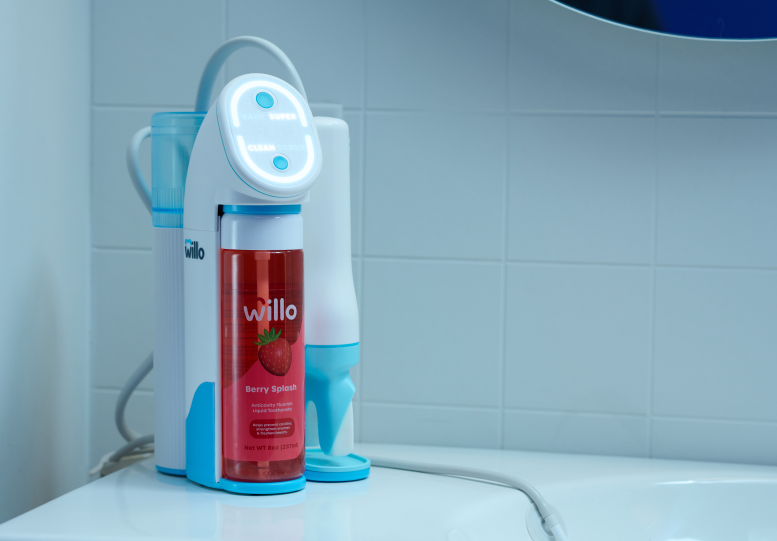
This is where Willo offers families a different approach.
The Willo BrushBot is designed to make brushing automatic and less dependent on a child's technique, helping reduce the guesswork associated with traditional brushing.
The Willo app also gives parents visibility into brushing frequency, duration, and consistency, making it easier to monitor routines and celebrate progress.
For families struggling to establish dependable habits, that combination of automatic brushing and parental visibility can help make oral care more manageable.
And during candy-filled weeks like Halloween, maintaining a consistent brushing routine becomes especially important.
Building Healthy Habits Beyond Halloween
Ultimately, Halloween reminds us that cavity prevention doesn't have to be stern to be effective.
When dental professionals combine sound science with approachable explanations and realistic guidance, they help families feel more confident about protecting their children's oral health.
Sugar bugs may be imaginary characters, but the habits they help teach are very real.
This October, let's embrace the opportunity to educate with warmth, support parents with practical strategies, and help children build healthy brushing habits that last long after the final piece of Halloween candy.
Because every small victory at the bathroom sink contributes to a healthier smile.
Story Time With the Sugar Bugs: A Resource for Families
For families looking to continue the conversation at home, Sugar Bugs, Sugar Bugs, Where Are You? by Carrie Wucinich, RDH, offers a playful introduction to oral health education.
Drawing on her experience as a dental hygienist, Carrie brings the concept of sugar bugs to life in a way that helps children understand why brushing matters.
Pairing the book with a nightly brushing routine can turn an important health lesson into a positive shared experience.
Dental professionals may also find it a helpful resource for waiting rooms, school visits, patient education, and community outreach.
Explore Sugar Bugs, Sugar Bugs, Where Are You? on Amazon
References
- Pitts NB, Zero DT, Marsh PD, et al. Dental caries. Nat Rev Dis Primers. 2017;3:17030. doi: 10.1038/nrdp.2017.30.
- Giacaman RA. Sugars and beyond. The role of sugars and the other nutrients and their potential impact on caries. Oral Dis. 2018;24(7):1185-97. doi: 10.1111/odi.12778.
- American Academy of Pediatric Dentistry. Policy on nutrition and dietary counseling in the pediatric dental patient. The reference manual of pediatric dentistry. Chicago (IL): American Academy of Pediatric Dentistry; 2025 [cited 2026 Sep 23]. Available from: https://www.aapd.org/research/oral-health-policies--recommendations/dietary-recommendations-for-infants-children-and-adolescents/


