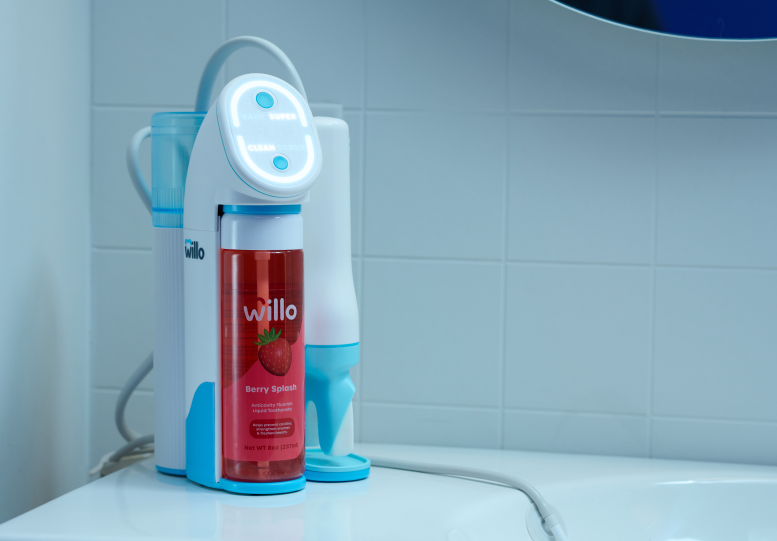

Let Them Eat the Candy: How to Minimize the Impact on Their Teeth

Halloween candy isn't all the same when it comes to teeth. Here's what parents should know about sugar, plaque, sticky candy and why Halloween night is definitely not the night to skip brushing.
It's Halloween. Your kid is going to eat candy. Ours are too.
The goal isn't to take the fun out of Halloween or pretend kids shouldn't eat sweets. It's to understand what happens when sugar sits on teeth and make a few choices that are a little easier on their oral health.
One of the biggest things to know is that it's not only about how much sugar kids eat. How long candy stays in the mouth and how often teeth are exposed to sugar matter too. The American Dental Association recommends having treats with or shortly after meals rather than grazing on candy throughout the day. According to the ADA, saliva production increases during meals, which helps wash away food particles and neutralize acids.
What happens when sugar meets plaque?
Dental plaque contains bacteria. When those bacteria are exposed to sugars, they produce acids that can attack tooth enamel. Repeated sugar exposure is associated with a higher risk of tooth decay. The ADA notes that sugar consumption is associated with increased risk of dental caries. Learn more from the ADA about sugar and oral health.
That doesn't mean one piece of Halloween candy causes a cavity. The bigger concern is repeated exposure over time, especially when sugary or acidic foods stay in contact with teeth.
What Halloween candy is better for kids' teeth?
If your child has a pile of candy to choose from, some options are easier on teeth than others.
Better choice: Chocolate
Chocolate is one of the better traditional Halloween candy choices because it tends to clear from the teeth more easily than sticky or chewy candy.
The ADA also notes that dark chocolate generally contains less sugar than milk chocolate.
Another option: Sugar-free gum
For kids who are old enough to safely chew gum, sugar-free gum can help stimulate saliva. Saliva helps wash away food particles and reduce acids in the mouth.
Which Halloween candy is worse for teeth?
The candies we'd be more cautious about are the ones that stay on teeth longer or add extra acidity.
Sticky and chewy candy
Gummies, caramels and other sticky sweets can cling to teeth and stay there longer than something like chocolate. That can prolong the amount of time teeth are exposed to sugar.
Hard candy
Hard candy often stays in the mouth for a long time as kids suck on it, extending sugar exposure. Biting hard candy can also create a risk of chipped or cracked teeth.
Sour candy
Sour candy brings another issue: acid. The ADA specifically notes that sour candies contain dietary acids that can attack tooth enamel.
The ADA recommends limiting hard, sticky and sour candies because they can remain in the mouth longer or expose teeth to additional acids. See the ADA's Halloween candy guidance.
Is it better to eat Halloween candy all at once or throughout the day?
For teeth, it's generally better to have sweets at a defined time rather than repeatedly grazing on candy all day.
That doesn't mean kids should eat an entire Halloween bag in one sitting. It means that if they're going to have a few pieces, having them with or shortly after a meal is generally preferable to exposing their teeth to sugar again and again throughout the day.
Meals also stimulate saliva production, which helps clear food particles from the mouth.
A simple Halloween rule: pick a candy time instead of turning the entire day into candy time.
Halloween night is not the night to skip brushing
Halloween also happens to create the perfect conditions for skipping the bedtime brush.
Kids are up later than usual. They're tired. Parents are tired. Everyone just wants to get to bed.
But after a day with more sugar than usual, keeping the normal brushing routine matters.
The American Dental Association recommends brushing twice a day for two minutes with fluoride toothpaste. See the ADA's home oral care recommendations.
So let them trick-or-treat. Let them pick their favorites. Let Halloween be Halloween.
Then end the night with a really good brush.
A simple Halloween plan for healthier teeth
1. Let kids enjoy the candy.
Halloween doesn't need to become a dental-health lecture.
2. Choose chocolate more often than sticky, hard or sour candy.
The type of candy can affect how long sugar or acid stays in contact with teeth.
3. Have candy with or shortly after meals.
Try to avoid grazing on sweets throughout the entire day.
4. Drink water.
Water can help rinse food particles from the mouth between meals and treats.
5. Don't skip the bedtime brush.
Even after a long Halloween night, finish the day with the normal brushing routine.
At Willo, we're big believers that kids should get to be kids. Eat the Halloween candy. Have fun. Then make sure the day ends with a really good brush.
Want to make that last step easier? Learn why Willo works differently for kids →
Frequently Asked Questions
What is the best Halloween candy for kids' teeth?
Chocolate is generally one of the better traditional candy choices because it clears from teeth more easily than sticky or chewy candy. Dark chocolate may also contain less sugar than milk chocolate.
What Halloween candy is worst for teeth?
Sticky, hard and sour candies are among the less tooth-friendly choices. Sticky candies can cling to teeth, hard candies can remain in the mouth for longer periods, and sour candies contain acids that can attack enamel.
Are gummies bad for kids' teeth?
Gummy and other sticky candies can cling to teeth longer than candies that clear from the mouth more easily. This can prolong tooth exposure to sugar.
Is sour candy bad for teeth?
Sour candy can be particularly tough on teeth because it combines sugar with dietary acids that can attack tooth enamel.
Should kids brush their teeth after eating Halloween candy?
Kids should maintain their normal twice-daily brushing routine with fluoride toothpaste, including brushing before bed after Halloween festivities. Parents should follow their child's dental professional's recommendations for their individual oral-health needs.


